Overview
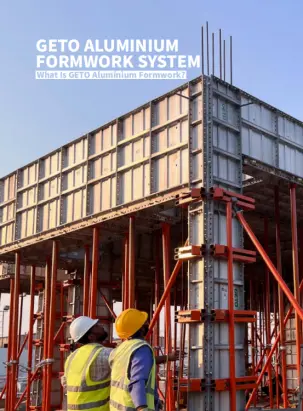
Walk past any active building site, and the first thing that catches the eye is the metal framework wrapped around the structure. That framework is scaffolding. It serves as a temporary support system that gives workers safe, elevated platforms for standing, moving, and storing materials during construction, maintenance, or repair work.
Scaffolding does more than just provide access. Building a skyscraper, repairing a bridge, or painting a multi story building becomes dangerous and impractical without reliable scaffolding. From the foundation stage to the final facade installation, scaffolding supports every phase of vertical construction.
In 2026, the scaffolding industry has matured significantly. Modern construction scaffolding uses engineered connections, precision manufactured components, and careful load calculations. These temporary support systems help projects move faster, safer, and more efficiently than ever before.
Basic Components and Materials
Understanding what goes into a scaffolding system starts with the individual pieces. Each component serves a specific purpose.
Core Structural Components
Every scaffolding system relies on three basic element types:
Standards (Vertical Posts). These upright tubes transfer the entire load from the working platforms down to the ground. Standards determine how high the scaffold can rise.
Ledgers (Horizontal Members). Running parallel to the building, ledgers connect multiple standards together. They distribute loads horizontally and stop the structure from twisting.
Transoms or Cross Braces. Placed perpendicular to the ledgers, transoms support the working platforms directly. Cross braces, often forming an X pattern, add diagonal stiffness that prevents the frame from leaning sideways.
Material Options
Steel and aluminum dominate the scaffolding market, each suited to different jobs.
Steel Scaffolding. Steel offers very high strength and rigidity. Heavy construction projects involving concrete pours, stone cladding, or industrial maintenance rely on steel systems because they handle high point loads with minimal deflection. The trade off comes in weight: steel components require more effort to move and need protection against rust.
Aluminum Scaffolding. Lightweight and easy to handle, aluminum suits projects where frequent repositioning matters. Indoor maintenance, electrical work, and painting jobs benefit from aluminum's portability. A single worker can often lift and place aluminum components without assistance. Aluminum does not rust, though care is needed to prevent galvanic corrosion when in contact with certain other metals.
Surface Protection
Raw steel rusts quickly when exposed to moisture. Quality manufacturers apply hot dipped galvanization, a process that coats every surface with a protective zinc layer. This treatment can extend service life from a few years to decades, even in humid or coastal areas. Powder coating offers another option, allowing color coding for different component types while adding corrosion resistance.
Major Scaffolding Types in 2026
Different project conditions call for different scaffolding configurations. Here are the most widely used types.
Ringlock Scaffolding
Ringlock has become very popular for good reasons. This modular system uses a welded steel rosette with multiple connection points. Pipes slide into the rosette and lock with a captive wedge, requiring no loose pins or clips.
Assembly moves quickly. A crew can put up several stories of Ringlock in the time needed for traditional systems. The design also handles heavy loads well, making Ringlock suitable for bridges, tunnels, industrial plants, and large public buildings.
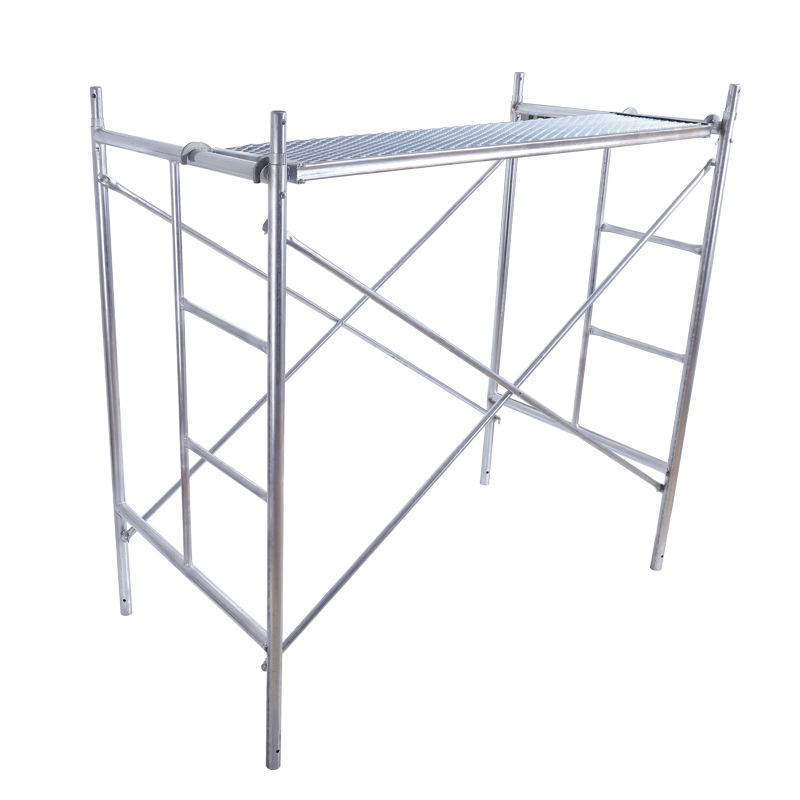
H Frame Scaffolding
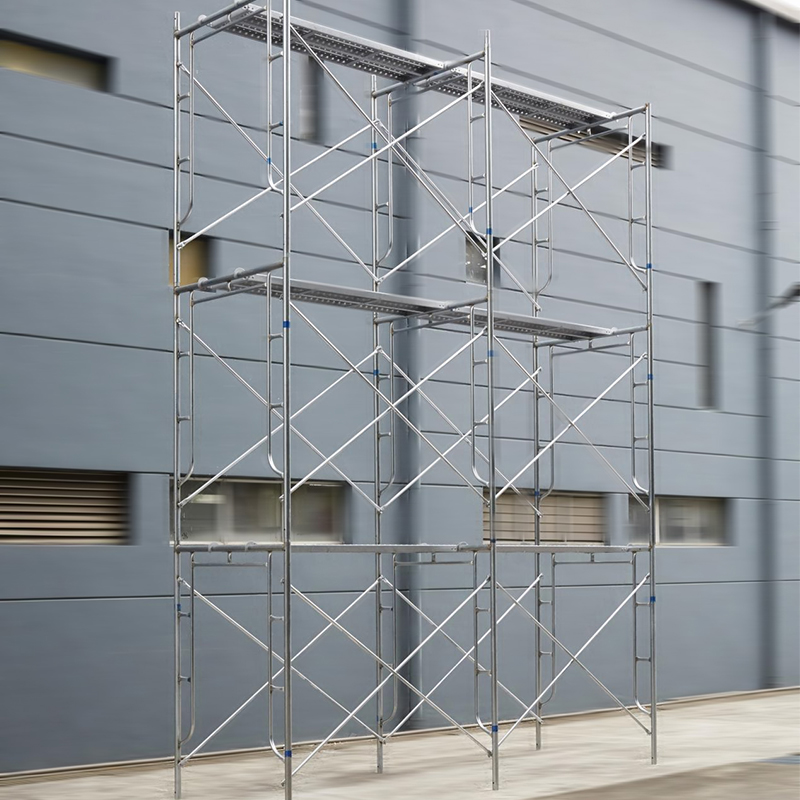
Also called frame scaffolding, the H type uses pre welded vertical and horizontal members shaped like the letter H. These prefabricated frames stack directly on top of each other, connected by cross braces that lock into place.
Contractors choose H frame for straightforward projects like residential buildings, halls, and bridge understructures. The simple pattern speeds up training because assembly follows a predictable sequence.
Suspended Scaffolding
When a building rises past a certain height, ground supported scaffolding becomes impractical. Suspended systems hang from roof beams or outrigger beams using wire ropes or chains. Winches located on the roof or upper floors raise and lower the platform. Operators on the platform can typically control movement through pendant controls, with safety ropes and descent devices serving as backups.
Window cleaning on high rises, facade repairs, and exterior painting of tall buildings all depend on suspended scaffolding. The main advantage is accessing the entire building face without building a massive ground supported structure.
Mobile Rolling Scaffolding
For indoor work or short term exterior jobs, mobility matters. Mobile scaffolds sit on locking casters, allowing one or two workers to roll the entire structure to the next position. Once positioned, the casters lock and adjustable outriggers are lowered to transfer weight directly to the floor, preventing unintended movement while workers are on the platform.
Drywall installation, ceiling repairs, warehouse maintenance, and HVAC work all benefit from rolling scaffolds. The narrow width lets them pass through standard doorways.
Cantilever Scaffolding
Some building sites offer no ground support. Narrow alleyways, occupied structures below, or fragile surfaces prevent standards from reaching solid footing. Cantilever scaffolding solves this by supporting the working platform from beams anchored into the building at a lower completed floor level, projecting outward where ground support is unavailable.
This approach works well for retrofitting older buildings where protecting the existing facade matters or for projects built over busy streets.
Why Scaffolding Drives Efficient Construction
Good scaffolding directly improves project outcomes.
Safety as a Productivity Driver. Stable platforms with guardrails let workers focus on their trade rather than on staying balanced. Falls remain a leading cause of construction injuries, and proper scaffolding greatly reduces that risk.
Parallel Work Opportunities. A single scaffold can support multiple levels of working platforms at the same time. One crew can install windows on the tenth floor while another team works on the eighth floor. This vertical stacking cuts schedules dramatically.
Efficient Material Movement. Integrated platforms and bridge connections let tools and supplies move horizontally across the facade without returning to ground level.
Reusability Across Projects. Quality scaffolding pays back over many years. A Ringlock or H frame system can be dismantled, moved, and reassembled for the next project. With proper maintenance, these systems serve for decades.
Safety Measures for Scaffolding Use
Safety cannot be an afterthought with temporary structures.
Professional Training. No worker should step onto a scaffold without proper instruction. Assembly and disassembly require specific knowledge about load limits, connection methods, and bracing patterns. Many places require certified scaffold erectors for structures above a certain height.
Pre Use Inspection. Every scaffold needs inspection before first use and at regular intervals afterward. A competent person checks for secure connections, base plates fully contacting the ground, planks free of damage, and guardrails firmly attached.
Personal Protective Equipment. Guardrails provide primary fall protection, but workers should also wear safety harnesses attached to anchor points. Hard hats protect against dropped tools, and slip resistant footwear helps on wet planks.
Weather Assessment. Open scaffolding catches wind like sails. High winds create dangerous side loads. Rain makes planks slippery, and ice creates impossible walking conditions. Supervisors watch weather forecasts and stop work when conditions become unsafe.
How to Choose a Scaffolding Supplier
Equipment quality matters, but the supplier matters just as much.
Production Capacity. A manufacturer with multiple facilities shows stability and scale. geto operates twelve manufacturing bases, allowing consistent supply even during peak seasons.
Technical Support. Look for partners providing design drawings, load calculation certificates, on site supervision, and training for local crews.
One Stop Service. A full service supplier handles quotation, custom design, manufacturing, shipping, and after sales support. This saves time compared to coordinating separate vendors.
Frequently Asked Questions
What is the difference between scaffolding and formwork? Scaffolding gives workers access and material handling. Formwork shapes and supports wet concrete until it hardens.
Can scaffolding be reused? Yes. Modular systems like Ringlock are designed specifically for repeated assembly and disassembly. Steel with hot dipped galvanized finish lasts for decades with proper care.
How long does installation take? A simple H frame scaffold around a house might take a few hours. A large Ringlock system around a commercial building could take one or two days.
Does scaffolding need engineering approval? Many places require stamped drawings for scaffolds above certain heights, typically 30 to 50 feet depending on local codes.
Conclusion
Scaffolding stands as one of construction's most essential tools. The right system improves safety, speeds up schedules, and lowers long term costs through repeated reuse. From the simplicity of H frames to the versatility of Ringlock, each type serves specific project conditions. Quality equipment paired with proper training and inspection produces good results: work finished efficiently and workers safe at the end of each day.
geto brings years of manufacturing experience to every scaffolding project. The twelve production facilities ensure consistent quality and reliable supply. Technical teams provide design support from initial planning to on site assembly.
To discuss specific project requirements or request a quotation, reach out through the website.