In today's pursuit of high-quality development in the "Made in China" construction sector, building efficiency and structural safety have long been the core criteria for measuring a project's success. This is particularly true for projects characterised by a high repetition rate of standard floors—such as high-rise apartments, student dormitories, and hotels—where achieving "cost reduction and efficiency enhancement" remains a critical challenge for every project manager.
Traditional formwork methods often involve cumbersome procedures and lengthy construction cycles. However, the advent of the Tunnel Formwork System has fundamentally transformed operational paradigms within the formwork construction industry. By employing a technical solution that enables the "integrated casting of walls and slabs," the system achieves a dual leap forward in both construction speed and seismic resistance. As a global leader in formwork and scaffolding solutions, GETO has introduced a Tunnel Formwork System that is rapidly becoming a key "accelerator" for modern industrialized construction.
What Is a Tunnel Formwork System?
Definition of the Tunnel Formwork System
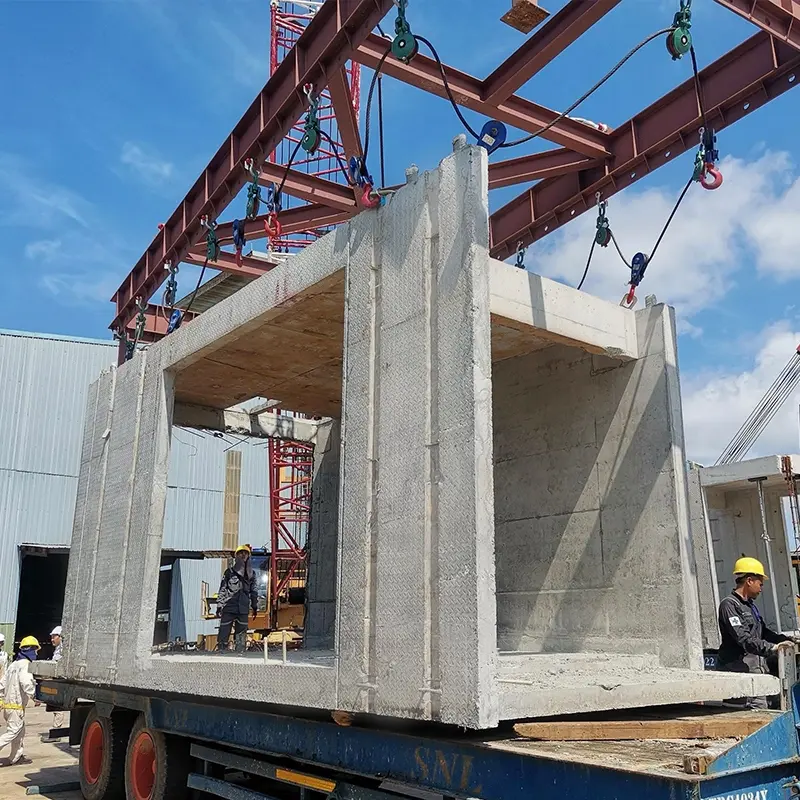
A Tunnel Formwork System is an integrated formwork solution designed for the monolithic casting of both walls and floor slabs. Its name derives from the "tunnel-like" space formed within the structure after the formwork components are assembled. This system enables construction teams to complete the concrete pouring for both vertical walls and horizontal slabs within a single operational cycle, thereby creating a robust, box-like structural framework.
Its Role in Modern Construction
Within the current formwork construction industry, this system is widely recognised as one of the fastest and most economical methods for constructing high-quality, seismically resistant buildings—including villas, dormitories, and hotels. It not only significantly reduces construction timelines but also ensures the structural integrity of the entire building.
Core Components
A complete Tunnel Formwork System typically comprises the following components:
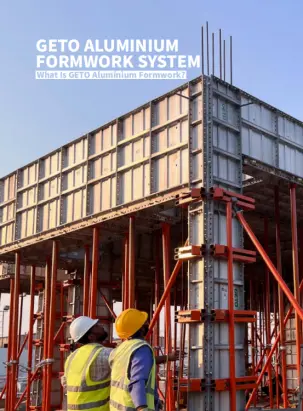
- Formwork System: The core molding component, consisting of both wall forms and slab forms.
- Support System: Ensures that the formwork retains its shape and structural stability under the pressure exerted by the poured concrete.
- Connection System: The critical element enabling the rapid assembly and dismantling of the formwork components.
- Auxiliary Platforms: Includes hoisting platforms (specifically designed for openings, stairwells, and elevator shafts) and external wall operation platforms.
How Does Tunnel Formwork Work?
Working Principle
The fundamental working principle of Tunnel Formwork centres on the concept of "monolithic integrity." On-site, the formwork is assembled into inverted "U" or "L" shaped tunnel units; once hoisted and positioned, these units combine to form a complete mold for a room.
- Single-Pour Casting: Unlike the traditional process—where walls are poured first, followed by the erection of roof slab supports—this system involves the simultaneous casting of both walls and floor slabs.
- Circulation Cycle: Once the concrete has attained the required strength, the entire formwork unit is extracted using bottom-mounted rollers or specialized mechanisms, then hoisted to the next unit for reuse.Core
Construction Process
- Formwork Positioning: Surveying instruments are utilized to precisely determine the dimensions of the room.
- Rebar Tying: Reinforcement bars for the walls and floor slabs, along with embedded conduits and piping, are installed at their designated locations.
- Integral Installation: The tunnel formwork unit is hoisted into place, followed by the completion of horizontal and vertical bracing.
- Concrete Pouring: A monolithic pour is executed to eliminate the risk of cold joints (construction joints).
- Stripping and Moving: After demolding, the formwork is moved out onto an external operating platform, from where it is lifted by a tower crane to the floor above.
Core Advantages of the Tunnel Formwork System
Extremely High Construction Efficiency
By enabling the integrated casting of walls and slabs, the system eliminates the alternating sequence of erecting and stripping formwork for separate components. With skilled operation, an extremely short construction cycle per floor can be achieved, making it ideally suited for large-scale, repetitive residential projects.
Exceptional Structural Quality and Seismic Resistance
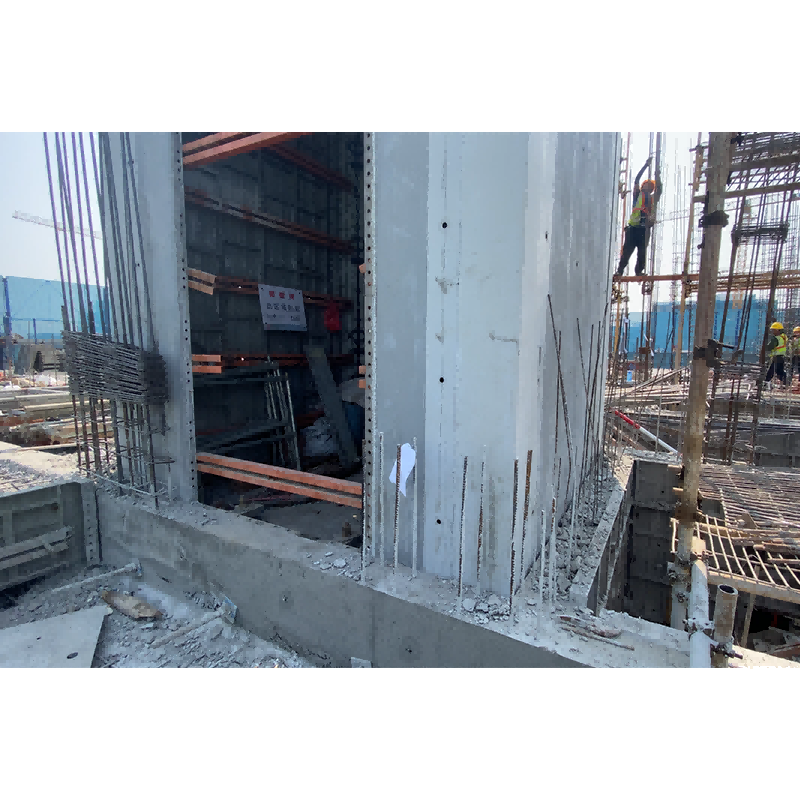
Integrated casting means the absence of cold joints. This monolithic, box-like configuration boasts exceptional geometric precision and structural rigidity, demonstrating superior performance under seismic loads.
Reduced Comprehensive Costs
- Reduced Labor: The simplification of construction processes lowers the reliance on highly skilled tradespeople.
- Material Savings: A high turnover rate means that the material cost amortized per square meter is significantly reduced.
- Plaster-Free Finish: The exceptionally high surface flatness allows interior walls to proceed directly to the putty application stage, bypassing the need for plastering.
- High Safety Standards: The system is equipped with comprehensive external operating platforms and fully enclosed auxiliary systems, significantly mitigating the risk of falls from heights and making the formwork construction industry a safer environment.
Aluminum Tunnel Formwork vs. Steel Tunnel Formwork
To meet the diverse requirements of different projects, GETO offers two distinct tunnel formwork solutions: one utilizing aluminum alloy and the other utilizing steel.
| Comparison: Aluminium vs. Steel Tunnel Formwork | ||
|
Feature |
Aluminium Tunnel Formwork |
Steel Tunnel Formwork |
|
Structure Type |
Integrated Aluminium Panels |
Monolithic Steel Formwork |
|
Weight |
Lightweight (Less Crane Power) |
Heavy (Requires High-Capacity Crane) |
|
Installation Speed |
Fast Overall Installation |
Simple Process, Low Labor Force |
|
Reusability |
Very High Material Reuse |
Tightly Spliced, Durable |
|
Assembly Flexibility |
Flexible and Simple Process |
Large-Scale Mechanized Dismantling |
|
Scrap Value |
High Recovery Value |
Standard Scrap Value |
|
Construction Environment |
Wide Range of Applications |
Excellent Insulation for Winter |
The core advantages of the aluminium alloy solution lie in its "lightness" and "flexibility." It imposes lower requirements on tower crane specifications, and—thanks to the physical properties of aluminium—its assembly and dismantling are extremely flexible, making it suitable for most high-rise residential projects. Furthermore, its high residual value makes asset recovery in the project's later stages more cost-effective.
The steel solution, conversely, emphasises "rigidity" and "strength." It boasts excellent structural integrity and is highly resistant to deformation. Particularly during winter construction, the superior thermal retention properties of steel—when combined with a heating system—ensure more effective and reliable concrete curing.
Advantages of GETO Tunnel Formwork Solutions
GETO has dedicated years of deep expertise to tunnel formwork. Our GETO tunnel formwork solutions are designed to strike the optimal balance between construction costs, efficiency, and technical sophistication.
Technical Highlights of the GETO System
- Highly Standardized Design: Minimizes the need for on-site filler panels and enhances the versatility of the formwork components.
- Seamless Integration: Integrates seamlessly with the "Quick Deck" concept to accelerate formwork turnover rates.
- End-to-End Service: Provides comprehensive support—from detailed design to on-site technical supervision—ensuring that the tunnel formwork system delivers maximum performance on every project.
Benefits for Clients
By utilizing GETO tunnel formwork, contractors can significantly boost formwork turnover rates, thereby minimizing overall costs while simultaneously ensuring construction convenience and ease of operation.
Applicable Construction Scenarios for Tunnel Formwork Systems
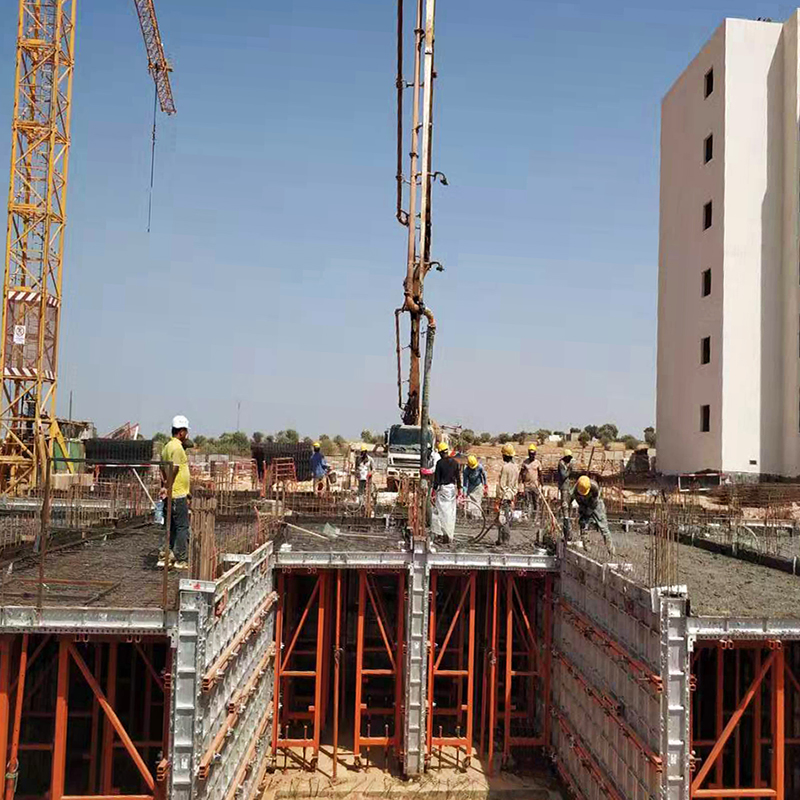
Tunnel formwork systems are the ideal choice for the following types of buildings:
- High-Rise Apartments: Feature uniform wall layouts, allowing for the full realization of the benefits of assembly-line-style construction.
- Student Dormitories & Hotels: Characterized by fixed room dimensions and a high degree of standardization.
- Villa Complexes: Projects requiring rapid delivery and superior seismic resistance.
- Seismic-Resistant Affordable Housing: The monolithic structural design provides a robust guarantee for life safety.
Trends in Tunnel Formwork within Modern Construction
As the industrialisation of the construction sector advances, the formwork industry is evolving toward a future characterised by "less manual labour, higher precision, and greener materials." By enabling "mechanisation to replace manual labour" and utilising "standardisation to minimise material waste," tunnel formwork systems align perfectly with this emerging trend. In the future, a hybrid construction model—combining precast concrete (PC) components with tunnel formwork systems—is poised to become the mainstream solution for delivering cost-effective buildings.
Conclusion
The Tunnel Formwork System is far more than just a formwork tool; it represents a complete philosophy of rapid construction. Through its core methodology—characterised by the simultaneous casting of walls and slabs combined with high-frequency reuse cycles—it delivers shorter construction timelines, lower overall costs, and enhanced quality assurance to modern building projects.
As a leader in the industry, GETO Tunnel Formwork leverages two distinct technical pathways—aluminum alloy and steel—to assist builders worldwide in constructing high-quality, earthquake-resistant communities. If you are seeking a construction solution that strikes the perfect balance between technical sophistication and economic efficiency, the Tunnel Formwork System is undoubtedly your optimal choice.
FAQ
Q1: What is a tunnel formwork system?
A: It is an integrated system that combines formwork for both walls and floor slabs, allowing for the monolithic casting of these structural elements within a single operational cycle.
Q2: How does tunnel formwork work?
A: Pre-assembled tunnel units are positioned to facilitate steel reinforcement tying and concrete pouring. Once the concrete has cured, the formwork units are stripped and moved—as complete assemblies—to the next floor for reuse.
Q3: What are the advantages of tunnel formwork?
A: Key advantages include rapid construction speeds, superior seismic resistance, reduced labor costs, and high-quality concrete surface finishes (often eliminating the need for subsequent plastering).
Q4: Is tunnel formwork suitable for high-rise buildings?
A: It is highly suitable. It is particularly advantageous for residential complexes and hotels with standardized floor layouts; the greater the number of floors, the lower the amortized cost per floor, making the benefits increasingly pronounced.
Q5: What is the difference between aluminum and steel tunnel formwork?
A: Aluminum alloy systems are lighter, more flexible, and retain a higher residual value. Steel systems, conversely, offer greater rigidity and exceptional resistance to deformation, while also performing better in terms of thermal insulation during winter construction.