Introduction: The Construction Challenges of Super High-Rise Buildings
Building upward presents a fundamental paradox. As structures reach higher into the sky, the demands on temporary support systems intensify exponentially. Traditional scaffolding approaches require repeated assembly and disassembly at every floor level, consuming valuable time, labor, and materials while exposing workers to increased fall risks at greater heights.
The construction industry has long recognized these challenges. Conventional scaffolding methods force project teams into a repetitive cycle: erect, use, dismantle, move upward, erect again. Each cycle introduces new safety hazards, creates logistical bottlenecks, and extends project timelines. For super high-rise projects exceeding 200 meters, this approach becomes not just inefficient but operationally impractical.
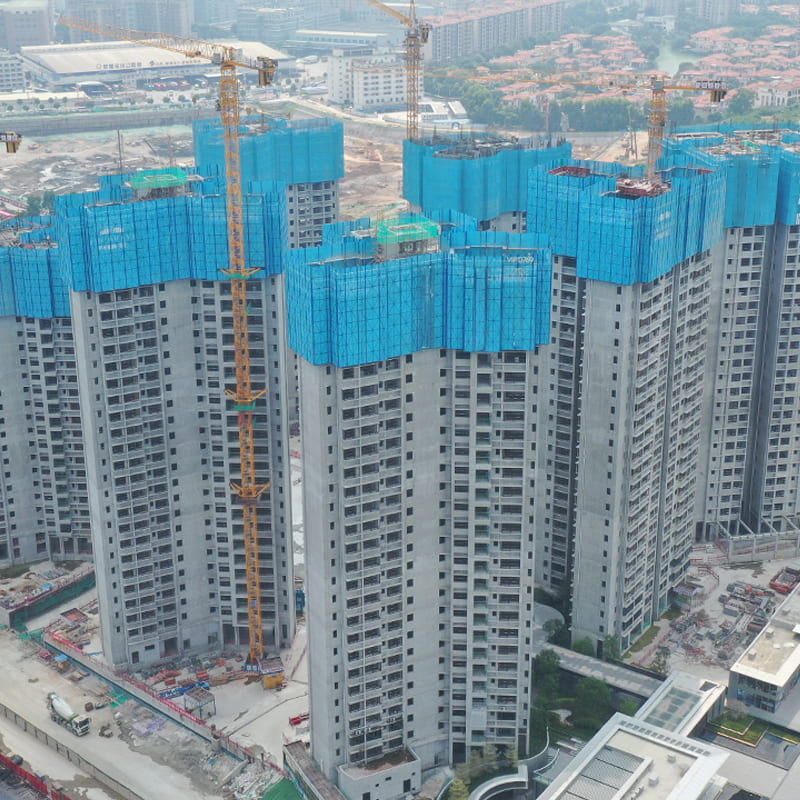
The self-climbing platform has emerged as the answer to these persistent challenges. Unlike traditional systems that must be rebuilt at each level, a self-climbing platform attaches directly to the building structure and ascends automatically as construction progresses. This equipment moves in synchronization with the building, providing a stable, enclosed work environment from ground level to the final floor.
In 2026, self-climbing platforms have become standard equipment on major high-rise projects worldwide. The technology has moved from an innovative alternative to an industry expectation, driven by compelling economics: projects using these systems can reduce building costs by 30% to 50% while significantly improving safety outcomes.
What Is a Self-Climbing Platform? Definition and Operating Logic
Understanding the self-climbing platform starts with its core principle: the system relies on its own lifting equipment to move upward or downward along the building structure, keeping pace with the main construction work.
Basic Principles
A self-climbing platform operates through a straightforward but sophisticated mechanism. The system attaches to the completed floors of the building using support brackets. When it needs to move to the next level, hydraulic cylinders or electric hoists lift the entire platform assembly along guide rails. Once the platform reaches the new position, it locks into place, and construction continues.
The platform remains fully operational during this transition. Workers do not need to dismantle and rebuild the work areas. This continuous availability of working platforms eliminates the downtime inherent in traditional scaffolding methods.
Key Parameters
GETO self-climbing platforms are certified for standard floor heights up to 5.3 meters, making them suitable for most residential and commercial high-rise projects. The system is not limited by building height—the climbing mechanism works equally well at the 20th floor and the 80th floor.
The platform design accommodates various building geometries. For projects with changing floor plans or facade conditions, the modular nature of the system allows for adjustments without major re-engineering.
Comparison with Traditional Scaffolding
The fundamental difference lies in the lifecycle approach. Traditional scaffolding must be erected, used, dismantled, and re-erected at each level. This cycle repeats dozens or even hundreds of times over the course of a project, each iteration consuming labor hours and materials.
A self-climbing platform follows a "one assembly, full-cycle use" principle. Once installed at ground level, the platform climbs with the building until the structure reaches its final height. This single assembly eliminates the cumulative waste of repeated setup and teardown operations.
The labor savings are substantial. A traditional scaffold might require a full crew for several days to erect at each new level. A self-climbing platform moves the entire work platform in hours, with minimal manual intervention.
Deep Dive: The Five Core Systems of GETO Self-Climbing Platforms
The effectiveness of a self-climbing platform depends on the integration of five interconnected systems. Each system plays a specific role, and their coordinated operation enables safe, efficient climbing.
The Power Core: Lifting System
The lifting system serves as the platform's engine. It typically includes electric hoists, guide rails, and upper and lower suspension brackets. In hydraulic configurations, the system uses cylinders to drive the climbing brackets along the guided rails.
The lifting mechanism determines the platform's speed and reliability. GETO's systems are designed for smooth, synchronized vertical movement, minimizing sudden jolts that could affect worker safety or equipment stability. The lifting capacity must handle not just the platform itself, but also any materials or equipment stored on the work decks during the climbing operation.
The Safety Foundation: Frame System
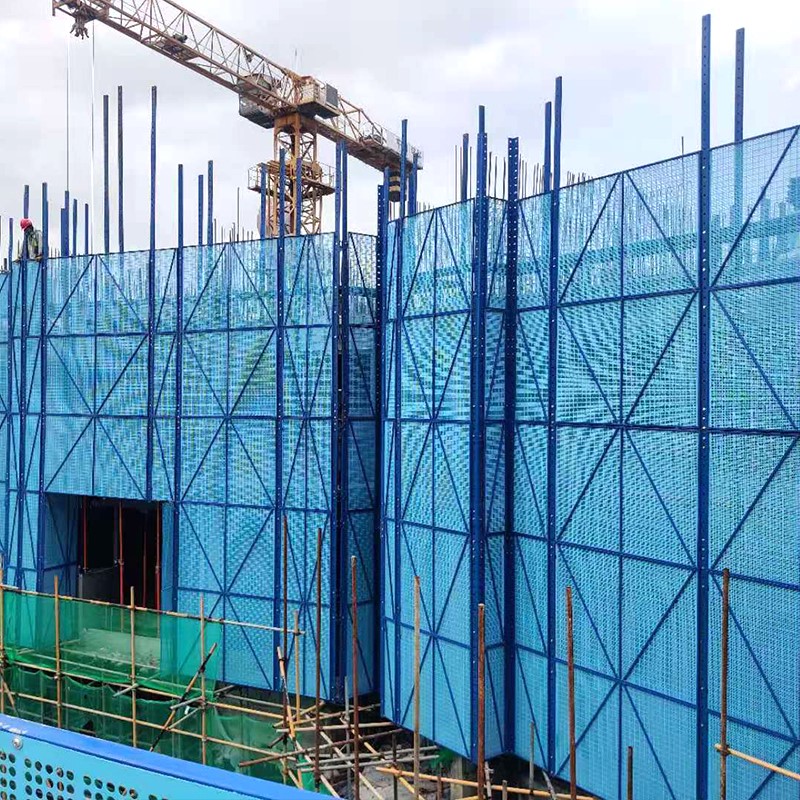
The frame system comprises the structural elements that create the actual work environment: walkway boards, protective screens, and steel trusses. This system provides the physical platform where workers stand, move, and perform their tasks.
GETO's frame system features an all-steel structure with fully enclosed protective screening. This design serves multiple purposes: it prevents falls from height, stops debris from falling to lower levels, and provides weather protection for workers.
The enclosed environment represents a significant improvement over open scaffolding. Workers can perform tasks without the constant concern about balance or falling tools. The screens also reduce the visual impact of construction activities on surrounding areas.
The Load Path: Attached Support System
The attached support system connects the platform directly to the completed building structure. This system must transfer all loads from the platform and its contents safely into the building.
The support system incorporates several safety-critical features. Anti-fall devices prevent the platform from descending unexpectedly if the lifting mechanism fails. Anti-overturning mechanisms maintain stability even under uneven loading conditions. The system also includes load-bearing supports that transfer the platform's weight to the building structure during working periods, relieving stress on the lifting mechanism.
The Intelligent Brain: Control System
The control system transforms a mechanical device into an intelligent construction tool. Modern self-climbing platforms integrate sensors, control boxes, and remote operation capabilities.
GETO's control systems include load monitoring that alerts operators if safety limits are approached. The remote control functionality allows operators to manage the climbing sequence from a safe position, maintaining visibility of the entire operation.
The integration of multiple sensors enables synchronized operation across different sections of the platform. When the platform climbs, all points move together, preventing the twisting or binding that could damage the equipment or endanger workers.
The Safety Backup: Lightning Protection System
High-rise construction presents unique risks from lightning strikes. Metal structures standing hundreds of meters above ground provide an attractive path for lightning. The lightning protection system routes any electrical discharge safely to the ground, protecting workers and equipment.
This system typically includes conductive paths connecting the platform to the building's grounding system. Regular inspection ensures these paths remain intact and functional throughout the construction period.
Why Self-Climbing Platforms Are the Developer's First Choice
The business case for self-climbing platforms rests on tangible, measurable advantages that affect project cost, schedule, and risk.
Significant Economic Benefits
The economic equation for self-climbing platforms is compelling. Project data indicates that building costs can be reduced by 30% to 50% compared to traditional scaffolding approaches.
These savings come from multiple sources. Labor reduction comes from the single-assembly approach that eliminates repeated setup and teardown labor. Once installed, the platform moves between floors with minimal manual intervention. Material savings result because traditional scaffolding requires significant quantities of tubes, couplers, and planks that are handled repeatedly, leading to wear and loss. Self-climbing platforms remain largely intact throughout the project, reducing material consumption. Schedule compression from faster floor cycles translates directly to shorter overall project duration. For developers, earlier completion means earlier revenue generation and reduced financing costs.
Superior Safety Performance
Safety stands as the most important benefit of self-climbing platforms. The all-steel structure with full perimeter protection creates an enclosed work environment that fundamentally changes the risk profile of high-rise construction.
The integrated safety features include fall prevention through enclosed platforms that eliminate the open edges characterizing traditional scaffolding; drop protection via fully enclosed screens that prevent tools or materials from falling to lower levels, protecting workers below and the public adjacent to the site; and stability from multiple attachment points to the building structure that provide redundancy. If one attachment point experiences an issue, the others maintain the platform's integrity.
Environmental Benefits
The construction industry faces increasing pressure to reduce its environmental impact. Self-climbing platforms offer a greener approach to high-rise construction. Reduced material consumption comes from the single-assembly design requiring fewer materials overall and eliminating the waste associated with repeated setup and teardown. Lower energy usage results from the reduced need for crane operations and the efficient climbing mechanism decreasing energy consumption on site. Less site disturbance occurs because with the platform moving with the building, ground-level clutter is significantly reduced. Material storage and handling are more organized, creating a cleaner, more efficient work site.
Improved Site Image
A clean, organized construction site reflects professionalism and competence. Self-climbing platforms contribute to this perception in several ways. Reduced material storage means most scaffolding materials remain on the platform itself, not on the ground, freeing up space for other activities and reducing visual clutter. The enclosed work areas hide the most visually disruptive aspects of construction from public view. The consistent appearance of the platform as it rises projects an image of control and quality.
Deep Integration of Digitalization and Smart Construction
The construction industry's digital transformation extends to climbing platforms. GETO has developed a suite of digital tools that enhance the planning, management, and operation of self-climbing systems.
3D Design and Visualization
GETO's industrial 3D design software enables detailed virtual modeling of climbing platforms before any physical work begins. This approach allows project teams to plan component placement by determining exactly which components are needed and where they fit. It helps identify clashes as potential conflicts between the climbing platform and building elements are detected and resolved in the digital model, avoiding costly on-site modifications. It also coordinates logistics by generating material lists and packing plans based on construction sequences, ensuring that components arrive on site in the correct order.
QR Code Material Management
QR codes placed on climbing platform components enable rapid material identification and tracking on site. Workers can scan a code to confirm the component's correct position in the assembly sequence, any special handling or installation requirements, and the component's service history and inspection status. This system reduces assembly errors and speeds up installation. Workers spend less time searching for components and verifying placements.
VR Inspection Capability
GETO-VR software allows remote inspection and acceptance of climbing platform equipment. Project stakeholders can conduct virtual walkthroughs of the platform before it arrives on site. The benefits include reduced travel costs as inspectors can review equipment from their offices or homes, accelerated acceptance by eliminating the scheduling delays associated with physical site visits, and improved record keeping as the virtual inspection creates a permanent visual record that can be referenced throughout the project.
Information Management Systems
GT-MS integrates supply chain, engineering, financial, and operational data into a single platform. This system provides real-time visibility as project managers can track material availability, production status, and on-site progress from a single dashboard. It enables risk monitoring by flagging potential issues such as material delays or schedule deviations before they escalate. It also facilitates performance analysis as historical data from the system can inform planning for future projects.
Construction Guide: Operating Procedures and Safety Requirements
Proper operation of self-climbing platforms requires following established procedures and adhering to safety constraints.
Standard Climbing Procedure
The climbing sequence follows a consistent pattern:
- Preparation. The platform is checked to ensure all materials and equipment are secured. Workers clear the climbing path.
- Connection release. The platform is disconnected from its current support points while temporary supports maintain stability.
- Climbing. The lifting system raises the platform to the next level. Movement is monitored for smoothness and synchronization.
- Positioning. At the new level, the platform is aligned and reattached to the building structure.
Securing. All connections are checked and locked before work resumes.
Strict Operating Conditions
Certain conditions prohibit climbing operations. Wind limits prevent GETO platforms from climbing in winds exceeding Beaufort Force 5. Weather restrictions suspend operations during heavy rain, snow, fog, or any conditions that reduce visibility. Night operations are typically restricted to daylight hours unless specialized lighting and supervision are in place.
These restrictions are not arbitrary—they reflect the engineering limits of the system and the practical needs of safe operation. Ignoring them introduces significant risk of equipment damage or worker injury.
Typical Applications and Global Projects
Self-climbing platforms serve a wide range of high-rise construction applications.
Suitable Project Types
Commercial office towers benefit from the repetitive floor plates and fast-paced schedules that make self-climbing platforms ideal. High-rise residential buildings in multi-story apartment and condominium projects benefit from the platform's ability to support rapid floor cycles. Mixed-use developments work with the flexibility of self-climbing systems that accommodate the varying geometries often found in such projects. Core wall construction is particularly well-suited for self-climbing platforms in building elevator cores and shear walls. Specialized structures including bridge towers, airport control towers, and industrial chimneys also use these systems.
Project References
GETO has deployed self-climbing platform solutions across projects globally, supported by the company's 12 production bases in China, Southeast Asia, and the Middle East. In East Asia, GETO provided an integrated climbing and aluminum formwork solution for an 18-story dual-core office tower, demonstrating the system's effectiveness in complex structural applications. The modular design and scalable manufacturing capacity allow GETO to serve projects of various sizes and complexities. Standardized components are tailored to specific project requirements through GETO's engineering teams.
Conclusion
The transformation of high-rise construction has been driven by practical needs: faster schedules, safer working conditions, and lower costs. Self-climbing platforms address all three requirements simultaneously. The economic case is clear. Projects using these systems can reduce building costs by 30% to 50% through savings in labor, materials, and time. The safety case is equally compelling. Enclosed work platforms, multiple safety devices, and controlled climbing operations create an environment where falls and dropped objects are much less likely.
GETO has developed a comprehensive self-climbing platform solution that integrates the five core systems: lifting, frame, support, control, and lightning protection. The platform is certified for standard floor heights up to 5.3 meters and is not limited by building height. The company's digital tools—including 3D design software, QR code material management, VR inspection, and information management systems—support the entire project lifecycle from planning to completion.
GETO's self-climbing platform solutions have been deployed across Asia, the Middle East, and the Americas, supported by 12 global production bases. The system is available in configurations suitable for residential towers, commercial buildings, core wall construction, and specialized infrastructure projects.